May 13, 2026
*****************************************************************
2026 FPA NENY 25th Annual Symposium
Course Descriptions and Learning Objectives
Click on the down arrow to expand and close tabs.
 Presented by Hugh Johnson of Hugh Johnson Economics LLC
Join nationally recognized economist and market strategist Hugh Johnson for candid, data-driven analysis of the economic and capital market outlook for 2026. Hugh delivers a clear-eyed assessment of the economic forces shaping the investment landscape, including monetary policy, inflation trends, interest rates, corporate earnings, fiscal policy, and global risks.
Designed specifically for CFP® professionals and financial planners, this course translates economic projections into actionable planning considerations. Participants will gain practical insights to inform portfolio positioning, risk management, retirement income strategies, and client communication in an evolving market environment.
This session emphasizes cutting through market noise and headline-driven volatility to focus on the structural trends and economic indicators that matter most for long-term planning.
Learning Objectives
Upon completion of this course, participants will be able to:
- Evaluate the current U.S. and global economic environment and its projected trajectory for 2026.
- Analyze the impact of Federal Reserve policy, inflation, and interest rate movements on fixed income and equity markets.
- Assess key market risks and opportunities affecting asset allocation decisions.
- Apply economic forecasts to client portfolio construction and financial planning strategies.
- Communicate economic developments clearly and effectively to clients.
CE pending
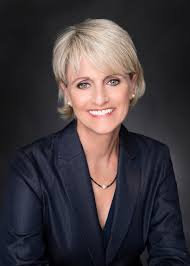 Presented by Carolyn McClanahan, M.D., CFP® of carolynmcclanahan.com
Finances at the end of life present a major concern for both patients and their families. Financial planners are in a unique position to help clients through these difficult times. Carolyn reviews how to comfortably approach end of life situations and work with clients on specific end of life financial concerns. Tax planning, income planning, and beneficiary issues that need to be addressed through each stage of advanced illness will be addressed. Planners will come away with a new level of comfort, understanding, and appreciation on ways to help and guide families through the end of life process.
Learning Objectives:
- Analyze the financial planning implications of advanced illness and end-of-life scenarios, including income tax, cash flow, estate distribution, and beneficiary designation considerations.
- Evaluate planning strategies to address tax efficiency, income sustainability, and asset transfer issues that arise during the progression of serious illness.
- Apply appropriate communication and ethical practices when engaging clients and their families in end-of-life financial planning discussions in accordance with CFP Board’s Code of Ethics and Standards of Conduct.
CE pending
Presented by Carolyn McClanahan, M.D., CFP® of carolynmcclanahan.com
Much of financial advice hinges on predicting the future. Unfortunately, we fail miserably at getting the future right. Instead of predictions, we need to provide solutions to help clients improve current life satisfaction. I discuss how our firm helps clients focus on a great life in the present while building financial, emotional, and physical resiliency for the future. I cover how the firm addresses each part of the planning process keeping the focus on resiliency in mind.
Learning Objectives:
- Evaluate the limitations of traditional future-focused financial forecasting and explain how present-focused planning can enhance client life satisfaction and decision-making outcomes.
- Analyze strategies for integrating financial, emotional, and physical resiliency into the financial planning process to support both current well-being and long-term stability.
- Apply a resiliency-centered planning framework across the key elements of the financial planning process
CE pending
 Presented by Amanda Stahl of Hartford Funds
As humans, it’s easy for us to take our brain functions for granted, yet the loss of those functions can have severe impacts on your clients’ health, finances, and overall wellbeing. The costs of an unhealthy brain can be significant. The average lifetime cost of having dementia is $392,874, which can include medical expenses, caregiving, home modifications, lost income, legal fees, hospice, and end-of-life care. Given that, financial professionals must understand the need to help protect against those unexpected—and often catastrophic—financial risks. Additionally, financial professionals should understand the impact of brain health on older clients’ financial decision making, risk of financial fraud, unpaid debt, potential loss of income, and dependence on family members. But financial professionals should also understand simple lifestyle choices that can help lessen the risk of poor brain health, both for themselves and their clients. More and more research reveals a powerful message: that we—not our genes—can have control over our cognitive health today and the long-term destiny of our brains. Financial professionals already focus on helping ensure a client’s wealth lasts as long as the client lives. By understanding the simple tips we’ll share in this presentation, they can help ensure a client’s brain health lasts longer, too.
Learning Objectives:
- Why your clients’ brain may not be the same age as they are
- How brain health can affect your clients’ lifestyle and finances
- Simple tips to help clients age-proof their brains
- Understand what Medicare and Medicaid will and won’t cover
- How clients don’t necessarily plan to be diagnosed with Alzheimer’s and are therefore financially unprepared for their future needs
- Understand the types of expenses related to cognitive decline: Medication, caregiving, housing, and memory care
- Learn the legal documents that may be needed for cognitive decline: Durable power of attorney, trusts, a living will, and a durable power of attorney for healthcare.
- Practical tips to clients can take to age-proof your brain and prevent or delay cognitive decline Why it’s important to plan early for cognitive decline
- How a financial professional can help clients develop a plan to pay for the costs of dementia including choosing investment options and creating a retirement plan that considers potential costs of dementia
- How understanding the causes of cognitive decline and its financial implications can help a planner develop a relationship of honesty and trust in client interaction
CE pending
 Presented by Doug Orton of MFS
Commonly made IRA planning mistakes put clients’ retirement plans in jeopardy and threaten client/advisor relationships. This presentation will help advisors and their clients avoid these common mistakes by communicating what to look for. The collective goal is to make the most of IRA savings. The speaker will focus on problem areas, including beneficiary designations, spousal inheritance options and IRA, Roth IRA and RMD issues.
Learning Objectives:
- Tax diversification and early retirement strategies
- Retirement income planning and tax-effective withdrawal strategies
- Understanding RMD rules
- Maximizing Social Security and spousal legacy strategies
CE pending.
FPA NENY Attendee Symposium Guide
FPA Partner & Sponsor Symposium Guide
Register Now
Session/Time
Reg/Breakfast at 8:15am
1: 9:00 to 9:50am
2: 10:15 to 11:05am
3: 11:25am to 12:15pm
Lunch 12:15pm - 1:00pm
4: 1:00-1:50pm
5: 2:00 to 2:50pm
Raffle & Happy Hour!